
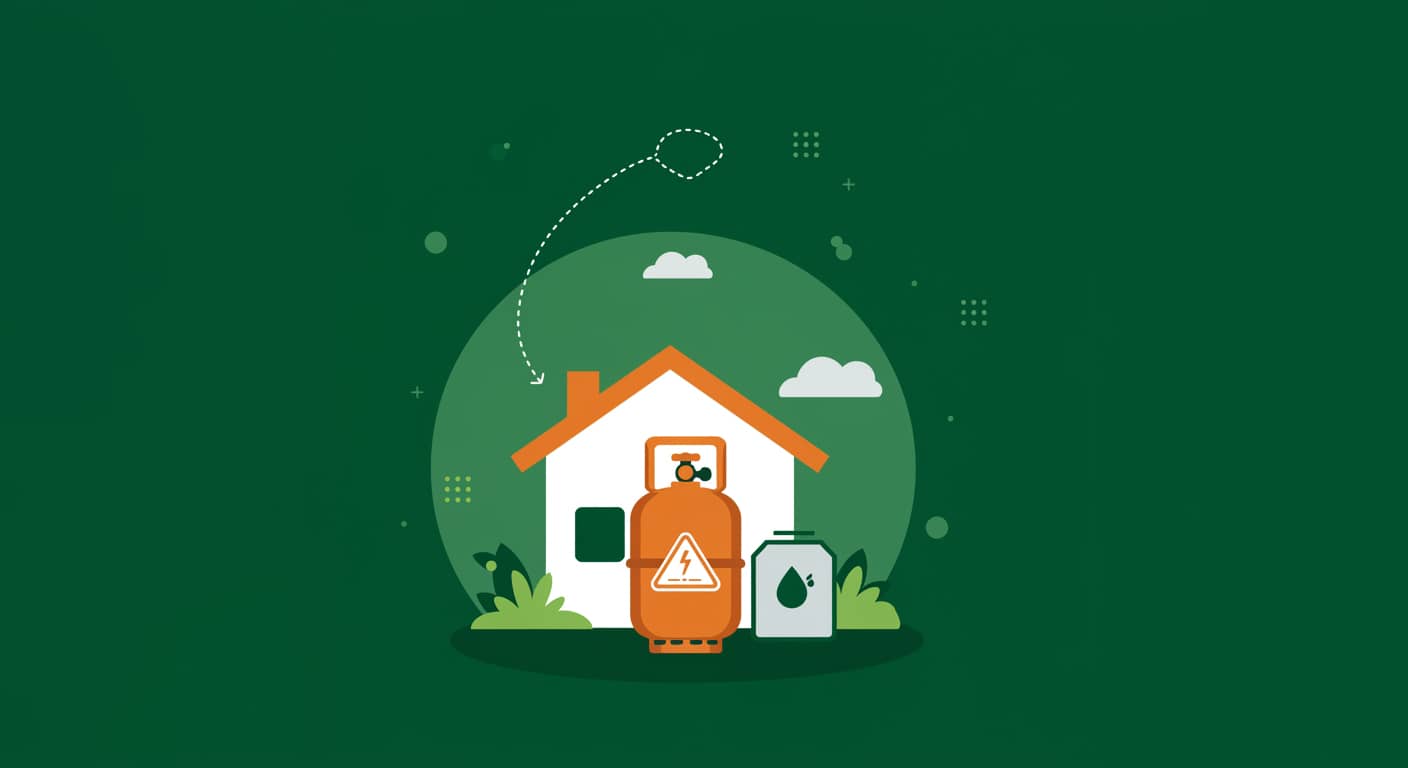
LPG Safety Simplified: Easy Steps for Safe Cylinder Usage
LPG (Liquefied Petroleum Gas) cylinders are commonly used for cooking and heating in many homes. However, it’s essential to follow safety guidelines to ensure the safe handling and storage of these cylinders. Improper use or storage can lead to dangerous accidents such as gas leaks, explosions, or fire hazards. In this blog, we’ll guide you through the best practices for handling and storing LPG cylinders safely in your home.
1. Choose a Safe Location for Storage
When storing LPG cylinders at home, location is key. Always store the cylinders in a well-ventilated outdoor space, away from any source of heat, flames, or sparks. The storage area should be dry and protected from extreme weather conditions, as moisture can corrode the cylinder. Never store LPG cylinders in enclosed spaces like basements, cupboards, or rooms with poor ventilation.
Ideal locations:
Open outdoor spaces
Sheltered areas away from direct sunlight
Dry, cool locations with proper airflow
2. Keep Cylinders Away from Heat Sources
LPG is highly flammable, and heat exposure can cause the gas inside the cylinder to expand, increasing pressure. This can lead to a dangerous leak or even explosion. Ensure that the gas cylinders are at least 10 feet away from any heat source, including stoves, ovens, heaters, or direct sunlight.
What to avoid:
Near electrical appliances, heaters, or stoves
Direct sunlight
Any open flames or sparks
3. Properly Check for Leaks
Before using an LPG cylinder, always perform a leak test to ensure the cylinder is functioning correctly. To check for leaks, mix soap water and apply it to the cylinder valve, regulator, and hose. If bubbles form, it indicates a gas leak. In that case, turn off the cylinder valve immediately and have it repaired by a certified professional.
Leak check procedure:
Turn off the cylinder valve
Apply soapy water on connections
Look for bubbles (indicating leaks)
If leaks occur, do not use the cylinder until it’s checked by a professional
4. Secure the Cylinder
Always secure the cylinder in place to prevent it from tipping over or rolling. Use a stable surface to keep the cylinder upright. You can also use a cylinder stand or bracket to keep the cylinder securely in place.
Tips:
Never leave the cylinder lying on its side
Use a sturdy cylinder holder or stand
5. Store Cylinders with the Valve Closed
When storing or transporting an LPG cylinder, always ensure that the valve is tightly closed to prevent gas leakage. Never leave the valve open, even when the cylinder is not in use.
Valve safety:
Close the valve tightly after each use
Store cylinders with valves facing upright, not downwards
Use a proper cap on the cylinder valve when storing
6. Use the Cylinder in Well-Ventilated Areas
When using an LPG cylinder indoors, make sure that the area is well-ventilated. Gas appliances must be installed properly, and the room should have sufficient airflow to prevent the accumulation of any gas in case of leaks.
Ventilation guidelines:
Always use LPG cylinders in a well-ventilated kitchen
Open windows or use exhaust fans when cooking
Install a gas detector for additional safety
7. Handle LPG Cylinders with Care
LPG cylinders are heavy, and mishandling them can cause injury or accidents. Always lift the cylinder carefully and with both hands. Never drag or drop the cylinder, as it could damage the valve or cause a leak.
Handling safety:
Always lift the cylinder carefully
Use proper lifting techniques
Avoid dropping or dragging the cylinder
8. Regularly Check Cylinder Expiry Dates
LPG cylinders have a shelf life, and it’s important to check the expiry date to ensure the cylinder is safe to use. Never use a cylinder past its expiry date. If the cylinder is old or damaged, contact your supplier for a replacement.
Cylinder expiry guidelines:
Check the expiry date before use
Replace damaged or expired cylinders
Follow the manufacturer’s guidelines for cylinder maintenance
9. Keep Children and Pets Away
For safety reasons, keep children and pets away from LPG cylinders. They may inadvertently cause damage to the valve or even cause dangerous accidents if they play near the cylinders. Educate your family members about LPG safety and the potential dangers of mishandling.
Safety precautions:
Keep the area where cylinders are stored secure
Teach children about the dangers of LPG cylinders
10. What to Do in Case of a Gas Leak
If you suspect a gas leak, do not panic. Follow these safety steps immediately:
Turn off the cylinder valve and any appliances connected to it.
Open windows and doors to allow fresh air to circulate.
Do not light matches or use electrical switches as this could ignite the gas.
Evacuate the area and contact your LPG supplier or emergency services for assistance.
Conclusion
Handling and storing LPG cylinders safely is crucial to ensure the safety of your home and family. By following these simple guidelines, you can reduce the risk of accidents and ensure that your home is safe. Always prioritize safety and take the necessary precautions when dealing with LPG cylinders. If you have any doubts or questions, don’t hesitate to reach out to your LPG supplier for guidance.

Leave a comment